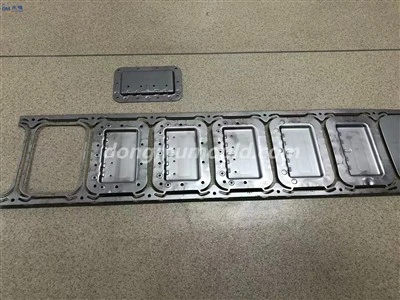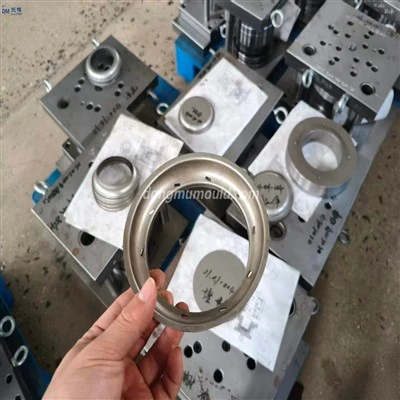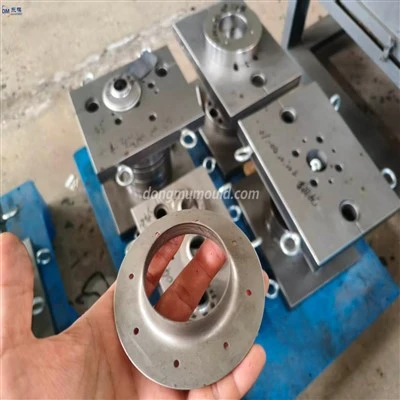

Design & Manufacturing Capability

Verify if the factory adopts rational die structure designs (e.g., reinforcing slender punches with guide sleeves, optimizing blanking clearances). Check for high-precision manufacturing and assembly processes-key indicators include machining accuracy (±0.01mm or better), smooth working surfaces (Ra ≤0.02μm), and use of advanced equipment (5-axis CNC machines, high-speed EDM). Professional factories also use simulation software (e.g., AutoForm) to optimize stamping processes before production.
Material & Heat Treatment Expertise
A professional factory selects materials tailored to workpiece requirements: e.g., Toolox series for high-wear applications, S136H for corrosion-resistant precision parts. They implement standardized heat treatment processes (or use pre-hardened materials like Toolox to avoid deformation risks) and can provide mill test certificates (MTC) for all raw materials. Avoid factories that use generic materials without customization.

Production & Quality Control Standards

Evaluate if the factory follows standardized operational procedures: pre-use die inspections, overload prevention, regular lubrication of moving parts, and timely scrap cleaning. Check if they use high-precision, high-rigidity presses (servo presses preferred) with tonnage 30% higher than required stamping force. Professional factories also have strict quality control systems (ISO 9001/IATF 16949 certification) and can provide full inspection reports (CMM testing data, FAI records).
Maintenance & After-Sales Service
Professional factories offer comprehensive maintenance guidelines and after-sales support. They emphasize regular die maintenance (cleaning, rust-proofing, weekly/monthly wear inspections) and prompt repair/replacement of damaged parts. Look for factories that provide customized maintenance plans, 24/7 technical support, and spare parts supply-critical for minimizing production downtime.

Key Verification Tips
Request factory tours (in-person or VR) to inspect equipment and production workflows.
Ask for case studies or client references, especially for projects similar to your requirements.
Review their quality management certifications and traceability systems for materials and processes.