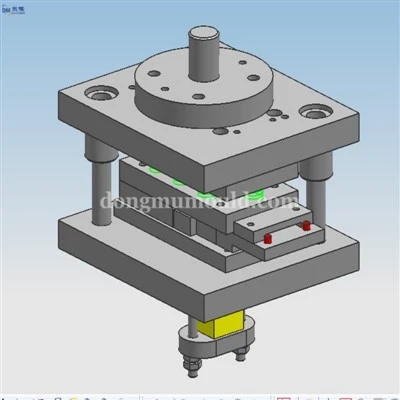

1. Optimize Design & Manufacturing
Adopt rational die structures (e.g., reinforce slender punches with guide sleeves) and proper blanking clearances. Ensure high manufacturing/assembly precision and smooth working surfaces to avoid premature wear.
2. Choose Quality Materials & Proper Heat Treatment
Select materials matching workpiece needs (e.g., Toolox series for high-wear scenarios, S136H for corrosion resistance). Implement proper heat treatment; pre-hardened materials (like Toolox) reduce damage risks.
3. Standardize Operation & Match Suitable Presses
Check dies before use, avoid overloading, and timely clean scrap. Lubricate moving parts regularly. Use high-precision, high-rigidity presses (servo presses preferred) with 30% higher tonnage than required.
4. Conduct Regular Maintenance & Timely Repair
Clean and rust-proof dies after production. Inspect weekly/monthly for wear, looseness, or deformation. Repair/replace damaged parts promptly and stop use for regrinding when precision drops.
These systematic measures effectively extend die life, enhancing production efficiency and reducing operational costs.