
Hardware mold processing classification and processing gap selection
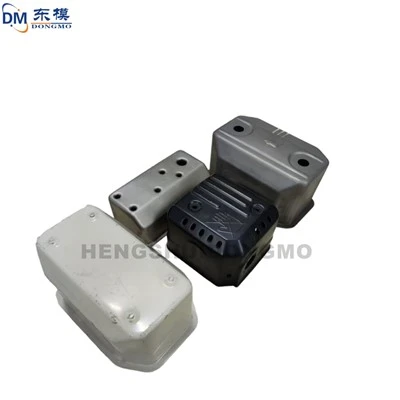
Die in cold stamping processing, materials (metal or non-metal) processed into parts (or semi-finished products). Stamping is at room temperature, using the die installed in the press to exert pressure on the material, so that it produces separation or plastic deformation, so as to obtain the required parts of a pressure processing method
.
Classification of metal mold processing:
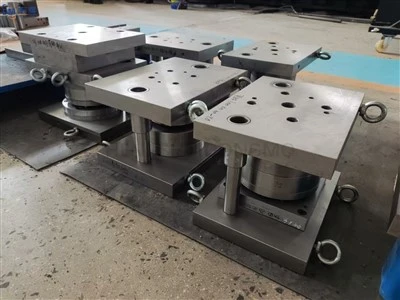
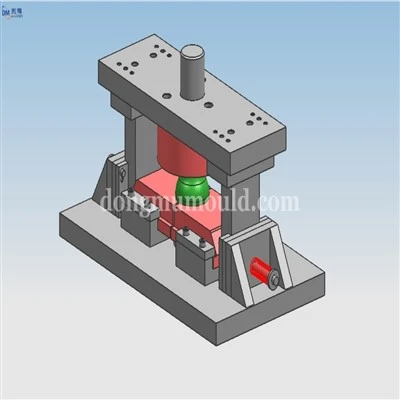
According to the different processing methods of products, the die can be divided into punching and shearing die, bending die, drawing die, forming die and compression die and other five categories.
a. Punch and shear die: complete the work by cutting. The commonly used forms are cutting die, blanking die, die, trimming die, full edge die, drawing die, die.
b. Bending mold: According to the shape, accuracy and output of parts, the flat hair embryo is bent into an Angle shape, which is a different form of mold, such as ordinary bending mold, CAM bending mold, coil mold, arc bending mold, bending seam mold and bending mold.
c. Drawing mold: Drawing mold is to make the flat hairy embryo into a seamless container at the bottom.
d. Forming die: refers to the shape of the hair embryo changed by various local deformations, including convex forming die, winding forming die, neck shrinking forming die, hole flange forming die, and round edge forming die.
E. Compression die: the use of strong pressure, so that the metal hair flow deformation, into the desired shape, including extrusion die, embossing die, stamping die and end pressing die.
Hardware mold processing gap selection:
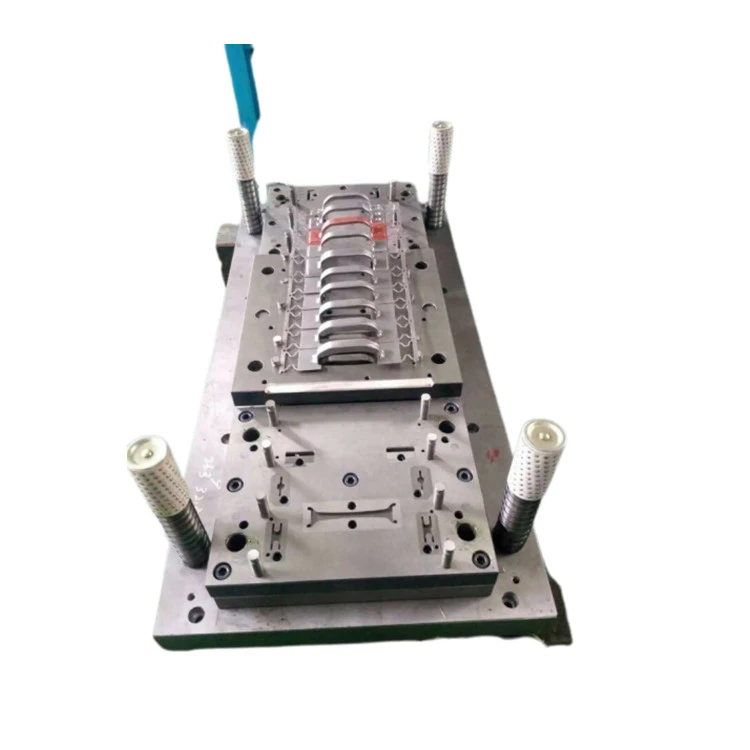
The clearance of the die is related to the type and thickness of the material stamped. Unreasonable gaps can cause the following problems:
1. If the clearance is too large, the stamping workpiece burr is larger, the stamping quality is poor. If the gap is small, although the punching quality is better, the die wear is serious, greatly reducing the service life of the die, easy to lead to punch fracture.
2. If the clearance is too large or too small, it is easy to adhere to the punch material, resulting in stamping with material. The gap between punch bottom and plate is too small, easy to form a vacuum, resulting in scrap rebound.
3. Reasonable clearance can prolong the service life of the mold, has good unloading effect, reduce burr and flanging, keep the plate clean, consistent aperture, do not scratch the plate, reduce the number of grinding, keep the plate flat, accurate punching positioning.