
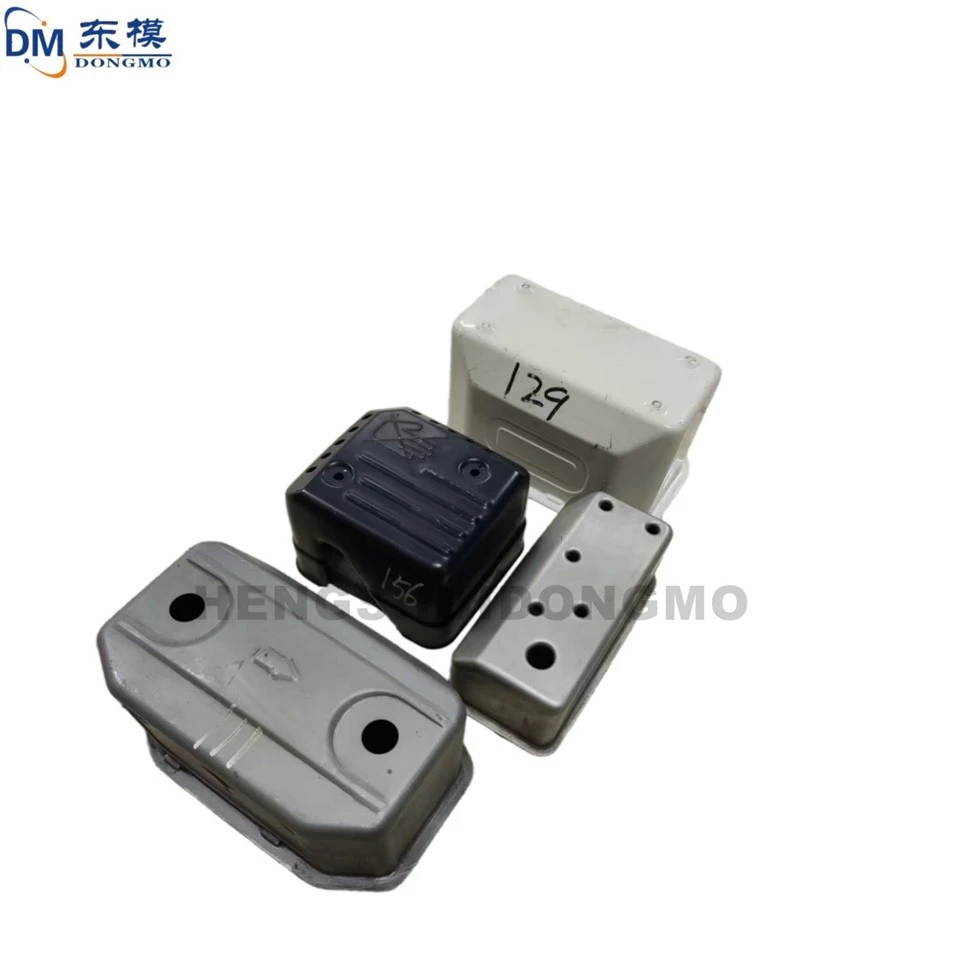
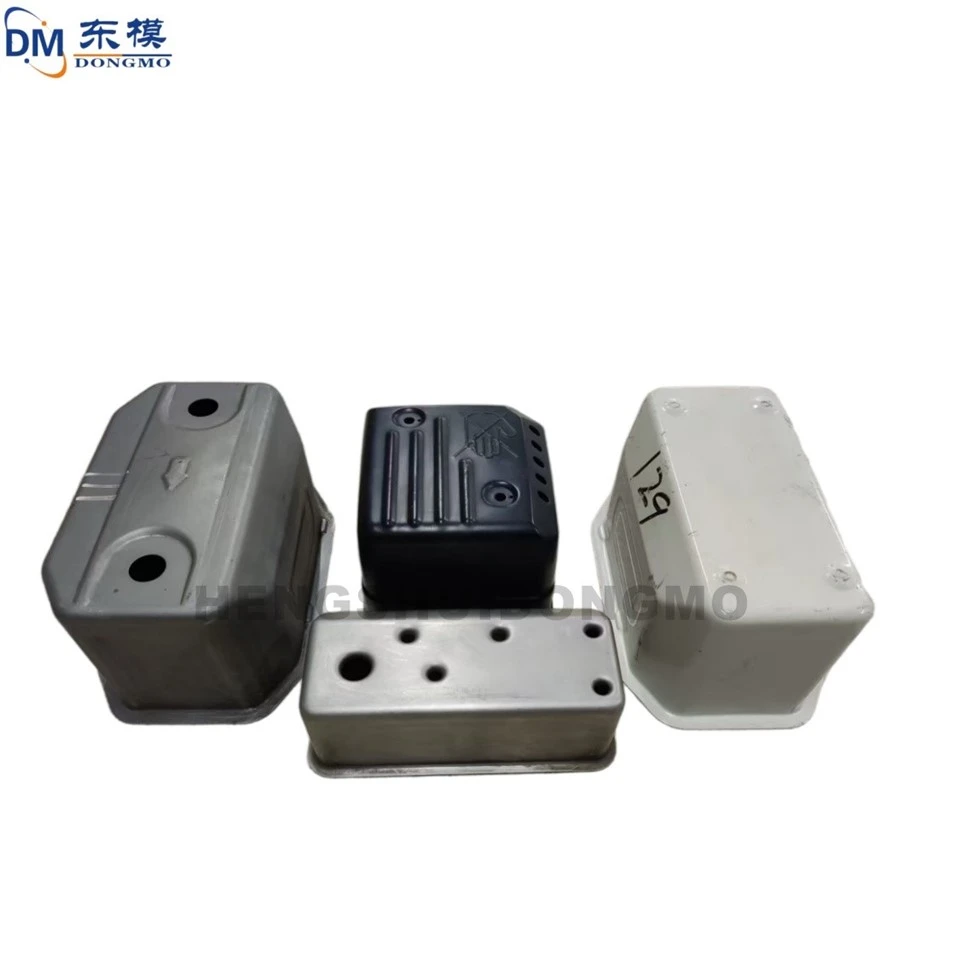
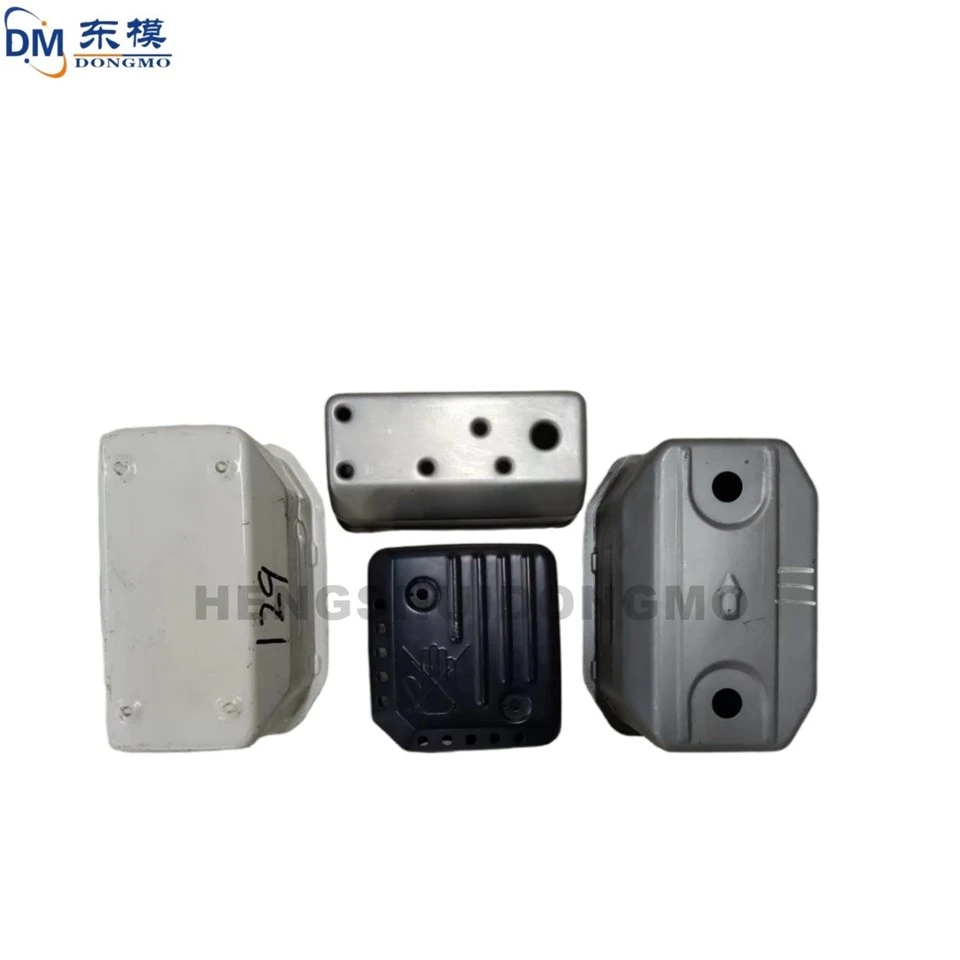
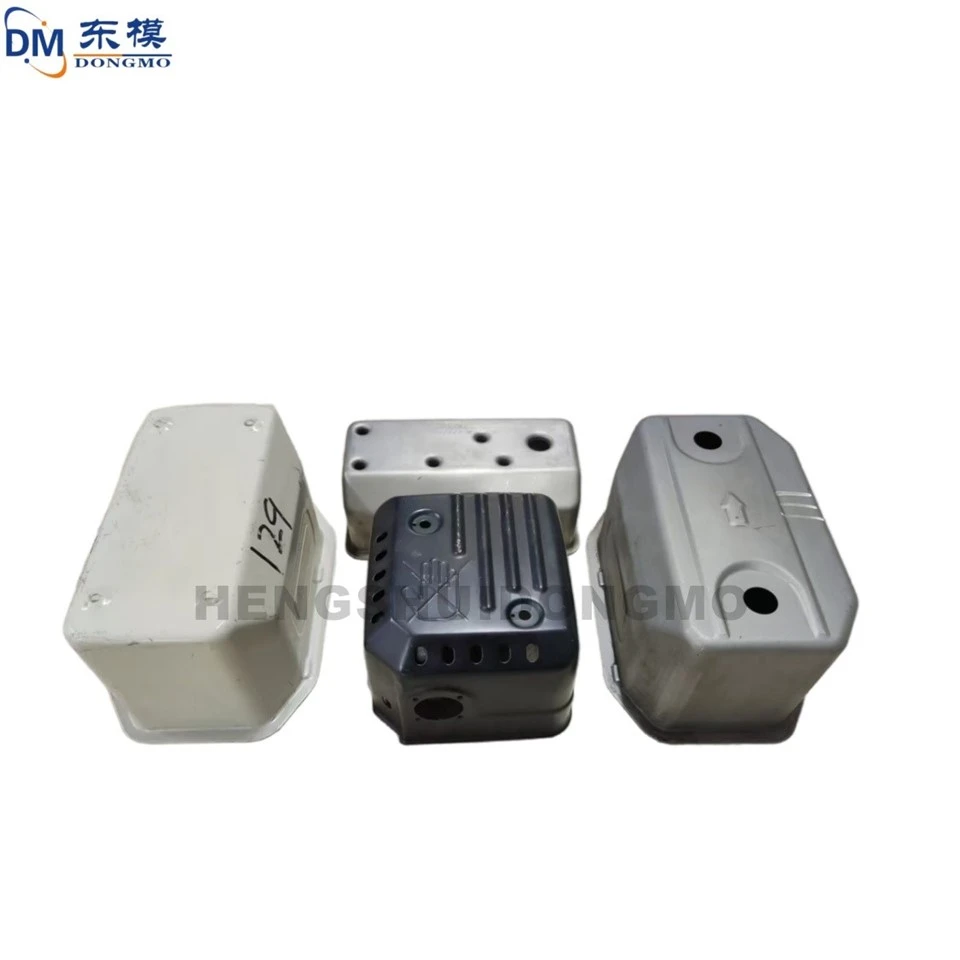
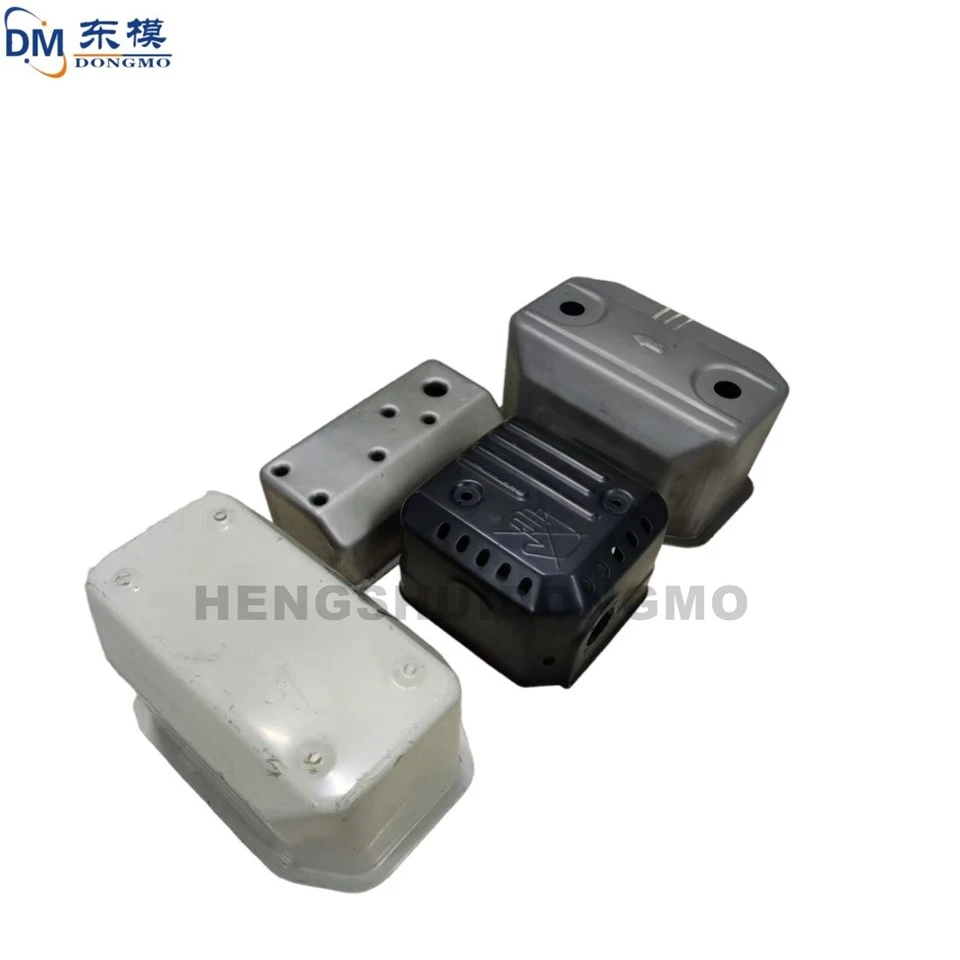
Analysis of the Compatibility between Base Material and Welding Material for Stamping Dies
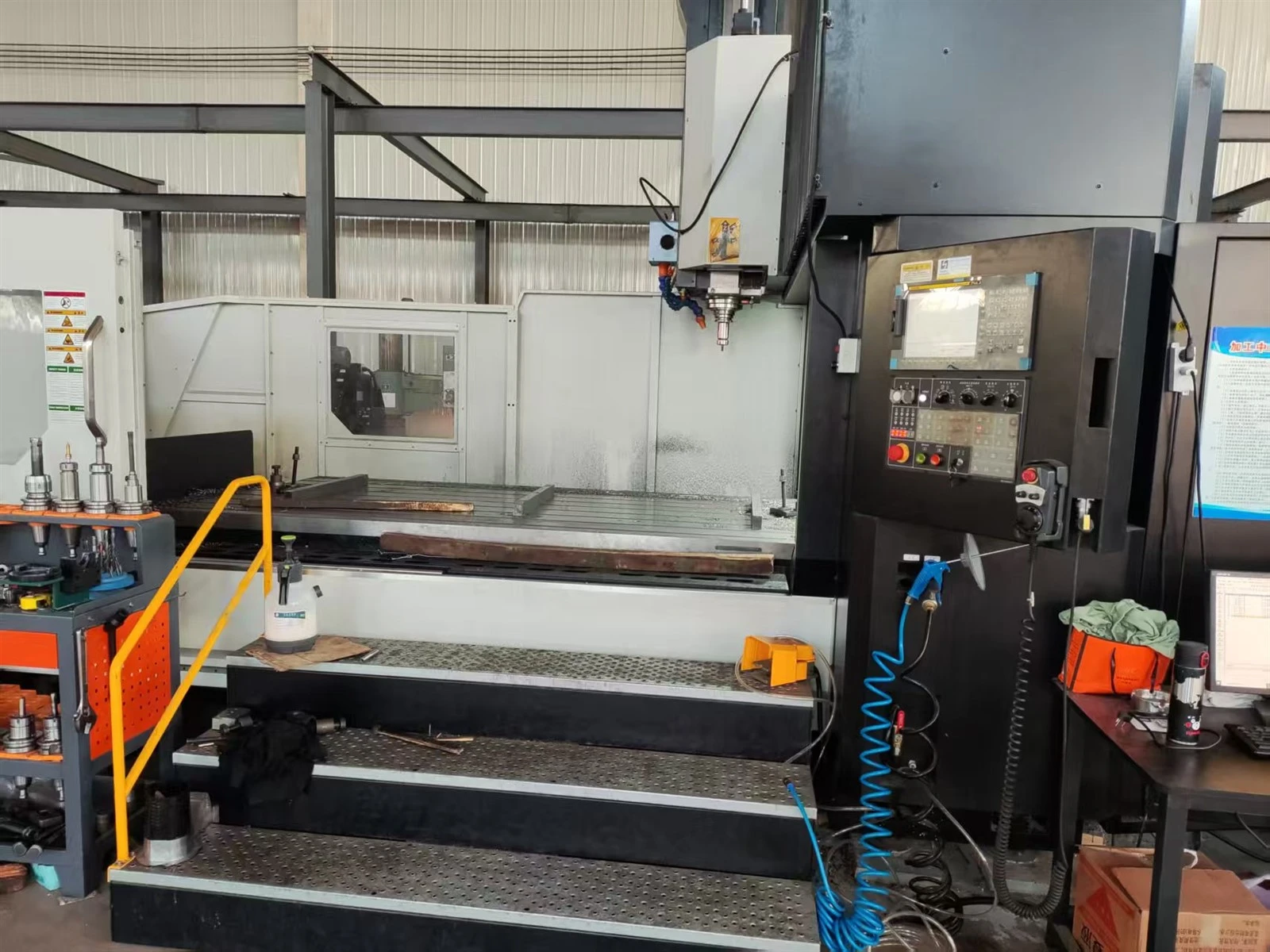
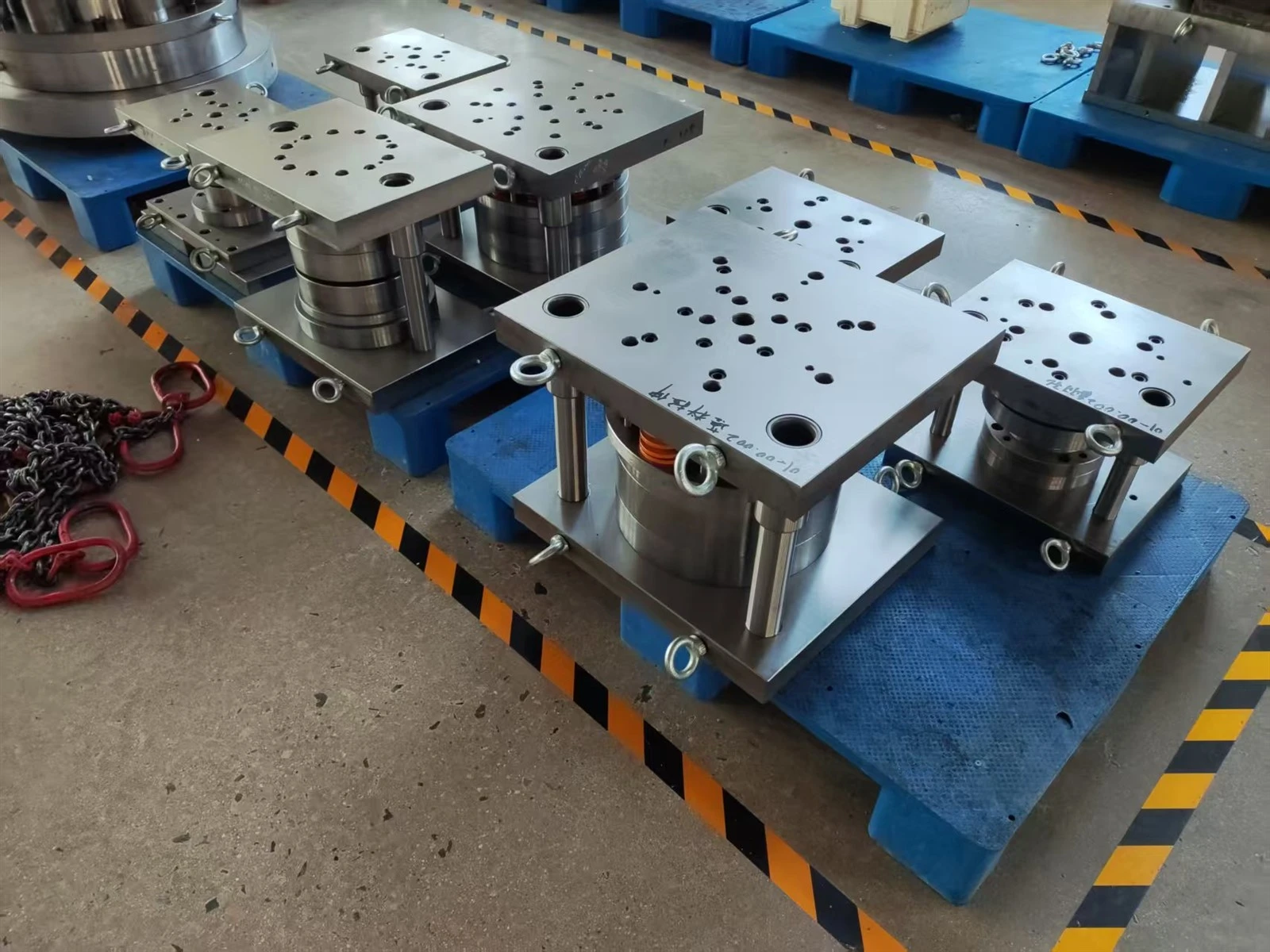
Stamping dies are the core process equipment in stamping forming, and their service performance directly determines the precision of stamped parts and the efficiency of the production line. The properties of the base material matrix, the microstructure and properties of the weld overlay, and the interface bonding state between the two jointly determine the overall service life and forming stability of the die. This paper systematically analyzes the matching characteristics of the base material and the weld overlay material for stamping dies, providing a basis for improving the overall service performance of the die.
Base material selection focuses on hardness, impact toughness, and structural strength. High-carbon steel, Cr12MoV, SKD11, and other alloy tool steels are commonly used base materials, which must possess sufficient load-bearing capacity and deformation resistance to adapt to the alternating loads and instantaneous impacts during the stamping process, ensuring the stability of the die matrix structure.
Welding materials aim for surface strengthening, focusing on meeting the requirements for wear resistance, thermal shock resistance, and anti-adhesion properties. High-alloy welding wire or alloy powder is usually used as welding consumables, forming a reinforced layer on key parts such as the die cutting edge and forming surface through the welding process. The hardness and toughness of the weld overlay must be appropriately matched to the base material to avoid interfacial bonding failure, surface peeling, or localized deformation due to excessive performance differences.


Matching the thermal expansion coefficients of the base material and the weld overlay is a key factor for interfacial stability. Excessive differences in their thermophysical parameters can generate significant internal stress during welding cooling, leading to defects such as microcracks and peeling in the weld overlay. During material selection, the thermodynamic parameters of the materials must be matched and verified to ensure reliable interfacial bonding under temperature fluctuations.
Simultaneously, the weld overlay process parameters directly affect the material matching effect. By optimizing the preheating temperature, welding heat input, welding speed, and post-weld heat treatment regime, residual welding stress can be effectively reduced, the interfacial metallurgical bonding state improved, and the overall bonding strength between the base material and the weld overlay enhanced.
Contact Us
Consultation Hotline: +86 15930861038
Whatsapp: 15930861038
Email: dongfangmould@aliyun.com
Service Commitment: Reply to inquiry within 12 hours; provide free mold design optimization for qualified customers.
Hengshui Dongmo Precision Metal Products Co., Ltd
Hot Tags: metal protective cover, outer shell, metal stamping parts, sheet metal progressive stamping dies, China, suppliers, manufacturers, factory, buy, price, made in China, 11KGLPG mold, LPG Mould, LPG Cylinder Mould, LPG Cylinder Base Mould, LPG Cylinder Blanking Die


