

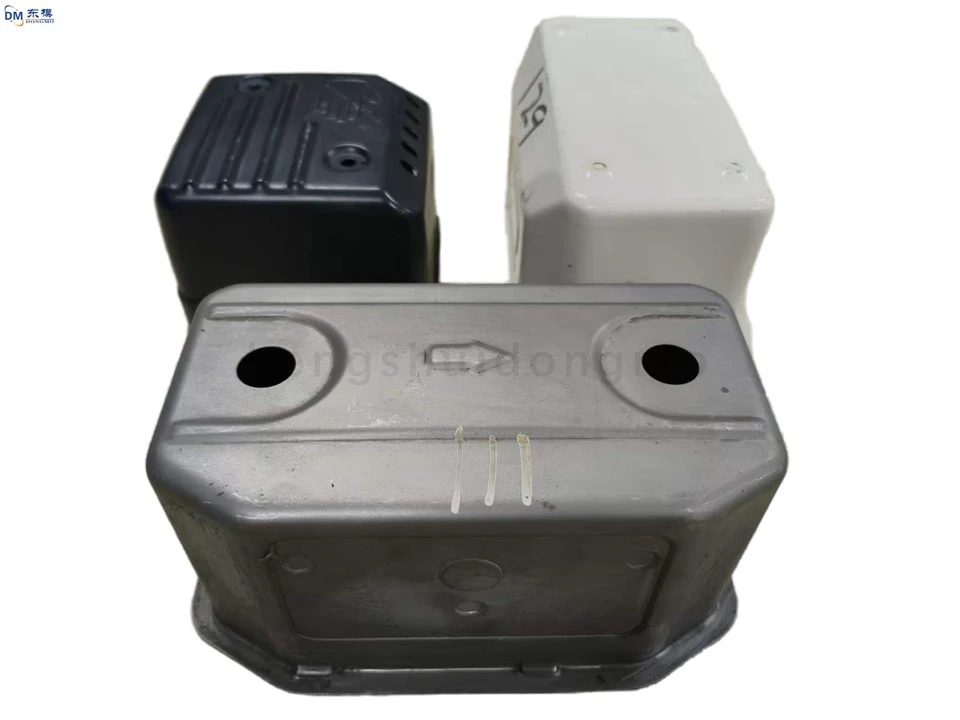
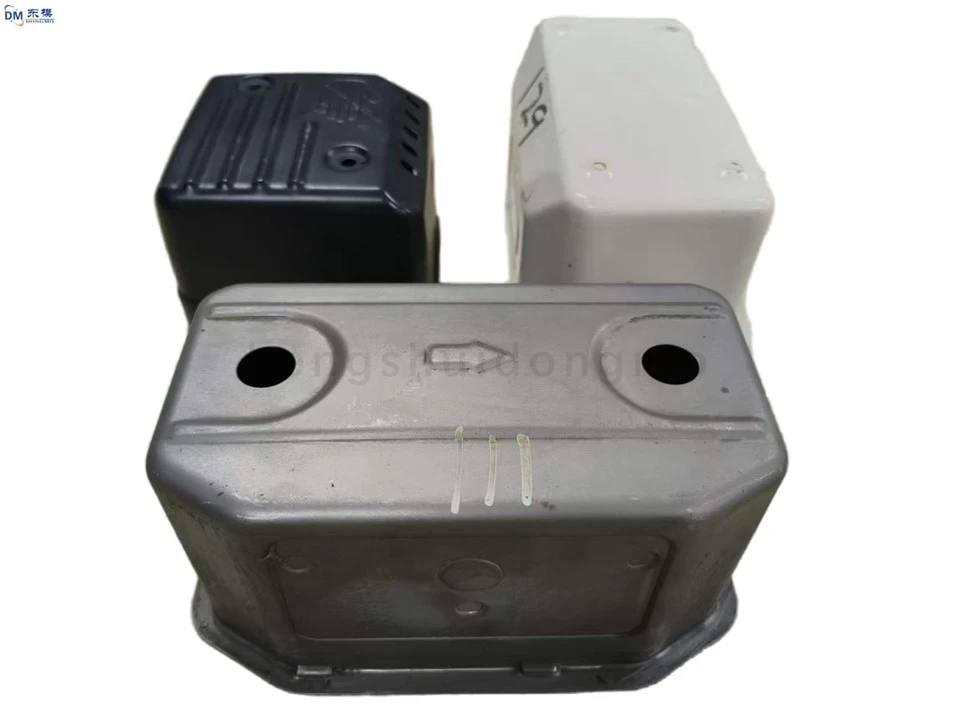


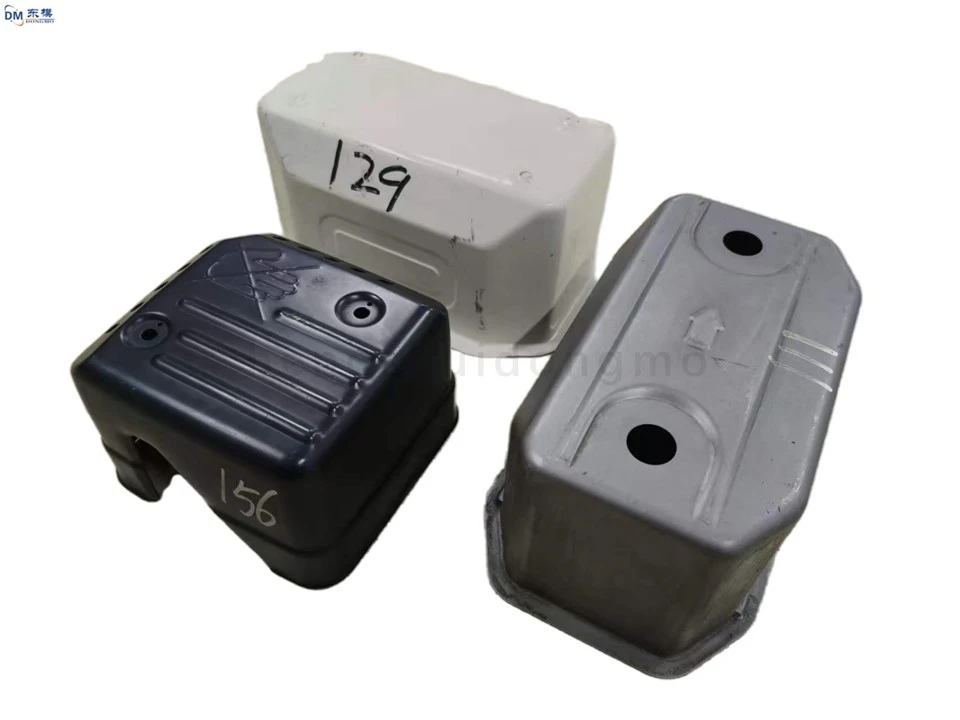

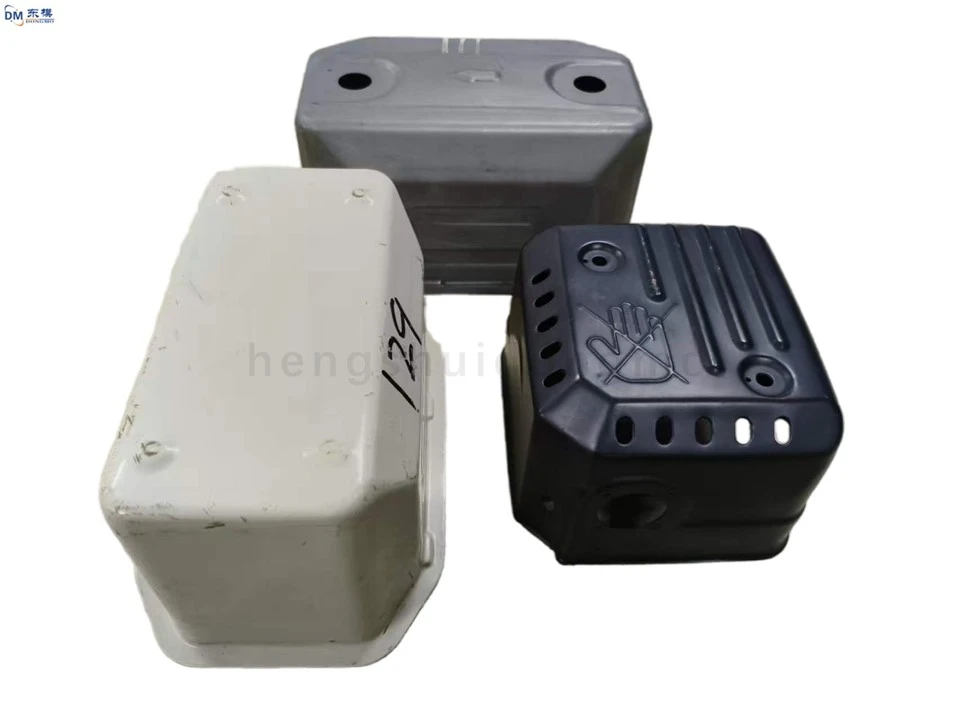
What determines the surface quality of stamped parts?

The material is the primary prerequisite for determining the surface quality of stamped parts. Its inherent properties and surface condition directly determine the resistance to deformation and surface stability during the stamping process. On one hand, the mechanical properties of the material, such as yield strength, elongation, and hardness, directly affect the uniformity of plastic deformation during stamping. If the yield strength is too high, local stress concentration is likely to occur during stamping, leading to surface cracks; while insufficient elongation will prevent the material from stretching evenly during the stretching process, resulting in surface wrinkling or cracking. These defects directly damage the surface quality.
On the other hand, the surface quality of the material itself is even more crucial. Scratches, scale, rust, oil stains, and other defects on the surface of the raw material will be amplified during the stamping process and directly transferred to the surface of the stamped part, forming defects that are difficult to repair. For example, if the oxide layer on the surface of cold-rolled steel sheet is not thoroughly cleaned, the oxide layer will fall off and embed into the workpiece surface during stamping, forming pits; while oil stains adhering to the surface will lead to uneven lubrication during stamping, increasing friction between the die and the material, causing surface scratches. Therefore, the selection of high-quality raw materials and rigorous surface pretreatment are the first line of defense in ensuring the surface quality of stamped parts, determining the starting point of surface quality from the very beginning.


As the core carrier of the stamping process, the design precision, manufacturing quality, and maintenance condition of the die directly determine the surface forming quality of the stamped parts. The die clearance is one of the core parameters affecting surface quality. If the clearance is too large, the material will tear during stamping, resulting in a rough cross-section, increased burrs, and decreased surface smoothness. If the clearance is too small, the friction between the die and the material will intensify, not only wearing down the die surface but also causing excessive compression of the material surface, resulting in scratches, indentations, and even material adhesion, severely damaging surface integrity.
Contact Us
Consultation Hotline: +86 15930861038
WeChat: 15930861038
Email: dongfangmould@aliyun.com
Service Commitment: Reply to inquiry within 12 hours; provide free mold design optimization for qualified customers.
Hengshui Dongmo Precision Metal Products Co., Ltd.
Hot Tags: metal casing, protective cover stamping parts, metal stamping dies, China, suppliers, manufacturers, factory, buy, price, made in China

